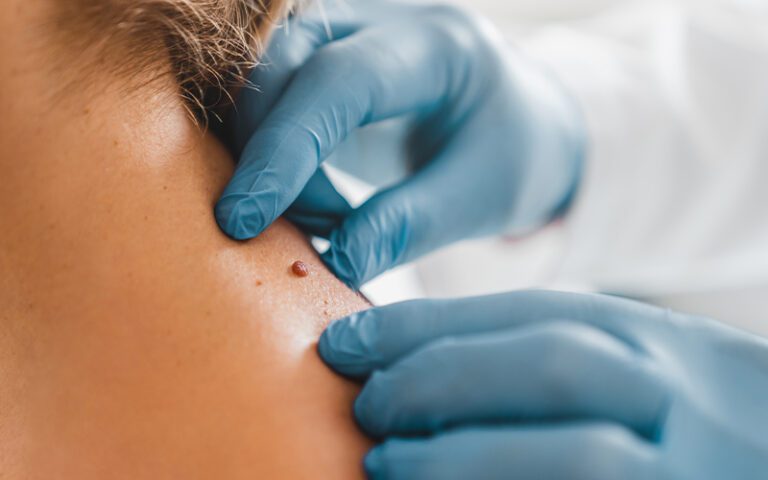
Laser removal of fibromas and ruby-like lesions is a modern and effective method of removing skin lesions using the Nd:YAG laser. Thanks to the ability to adjust the wavelength and power of the laser, the procedure is bloodless, safe, and minimally invasive.
What is the procedure for removing fibromas and ruby?
The Nd:TAG laser works by directing a laser beam at the skin lesion. The laser energy is absorbed by the water inside and outside the cells, leading to coagulation and evaporation. This allows the fibroma or ruby to be removed bloodlessly. During the procedure, the patient may experience a mild warmth and stinging sensation. This method leaves no scars and is safe for people of all ages, including children. The same applies to ruby spots, which can also be safely removed.
Talk to an expert and find out if this treatment is right for you:
Advantages of Nd:YAG laser removal of fibromas and rubys
The advantages of fractional laser treatment include:
Learn more
Benefits of Nd:YAG laser removal of fibromas and rubys:
Bloodless procedure: The procedure is performed without bleeding, which minimizes the risk of infection.
Short duration: Short treatment sessions that can be completed in a single visit.
Safe for All: Safe for people of all ages, including children.
No scarring: Leaves no scars, making the skin look natural after the treatment.
Effectiveness: Effective removal of skin lesions that may be resistant to other treatments.
Indications for skin lesion removal:
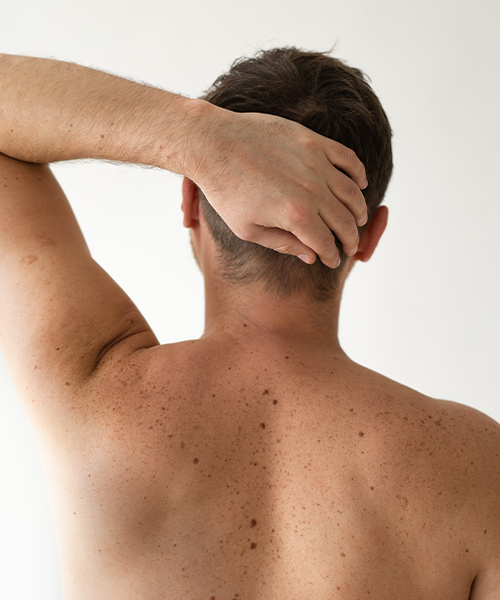
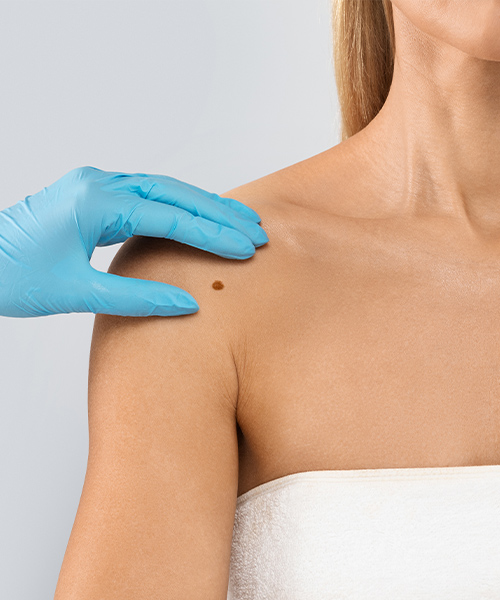
Single and multiple fibromas
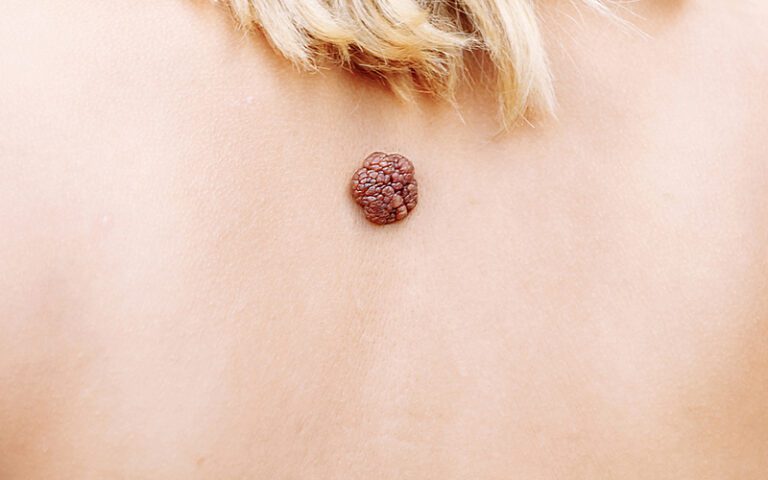
Large fibromas
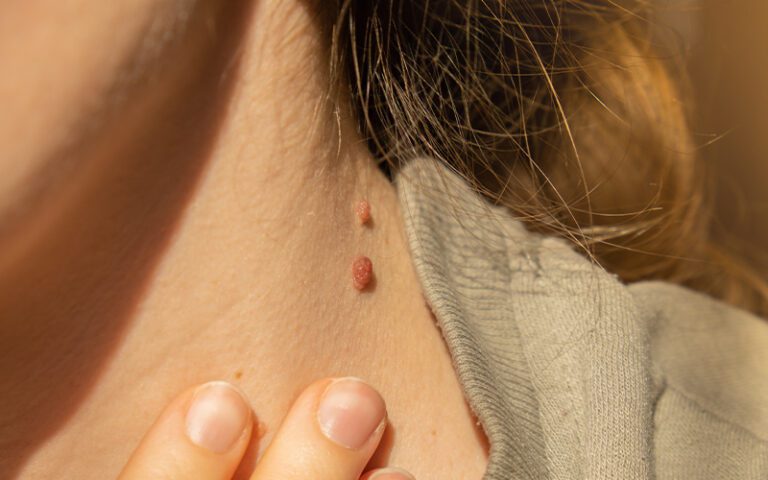
Ruby points (senile hemangiomas)
Common warts
Contraindications to electrocoagulation:
Pregnancy and breastfeeding
Active skin infections
Blood clotting disorders (people taking anticoagulants or with blood clotting disorders)
More
Implanted pacemaker, insulin pump
Open wounds or skin damage at the treatment site/li>
Hypersensitivity to light
Diabetes, epilepsy
Price-list
Usuwanie włókniaków i rubinków (Nd:YAG)
Removal of fibromas/rubinomas, single lesion
150 PLN
Duration of the procedure
about 30 minutes
How often to repeat the procedure
The procedure is performed once
More
In most cases, a single session is sufficient to effectively remove the lesion. If multiple or large lesions are present, a follow-up consultation may be recommended to assess the need for repeat treatment.
Frequently asked questions about the procedure of removing fibromas and ruby tumors
Is electrocoagulation treatment painful?
Electrocautery is generally well-tolerated by patients. You may experience a mild warmth or stinging sensation during laser exposure. Local anesthesia is used, if necessary, to minimize discomfort.
Does the procedure of removing skin lesions leave scars?
Laser removal of fibromas and ruby is a bloodless procedure and leaves no scars, so the skin looks natural after the treatment.
Can I remove fibromas and ruby spots myself?
Self-removal of fibromas and rubys is not recommended. Attempting to do so can lead to infection, scarring, and other complications. Safe and effective removal of skin lesions should be performed by a qualified professional using appropriate methods, such as laser therapy.
When will the scab fall off after fibroma or ruby removal?
The scab may fall off after a few days, but the healing process depends on many factors, such as the type and size of the lesion, its location, and individual skin reaction. In some cases, the scab may persist for up to 2-3 weeks.
Is there a risk of complications after electrocoagulation?
Complications following electrocautery are rare. Mild redness or swelling may occur, but usually resolves within a few days.
Each patient is treated individually, which is the foundation of the Maria van de Zell Clinic. Our specialists conduct detailed consultations to thoroughly understand each patient's unique needs and expectations.