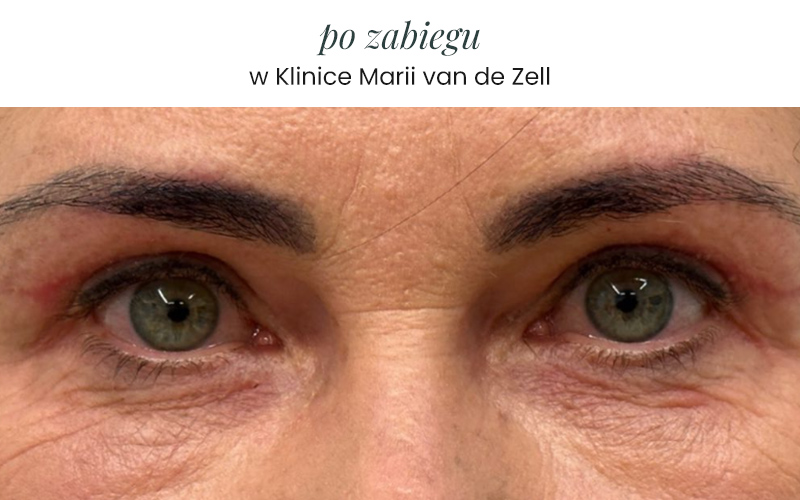
Blepharoplasty - correction of drooping eyelids
What are the characteristics of a blepharoplasty procedure?


Why is it worth correcting drooping eyelids?


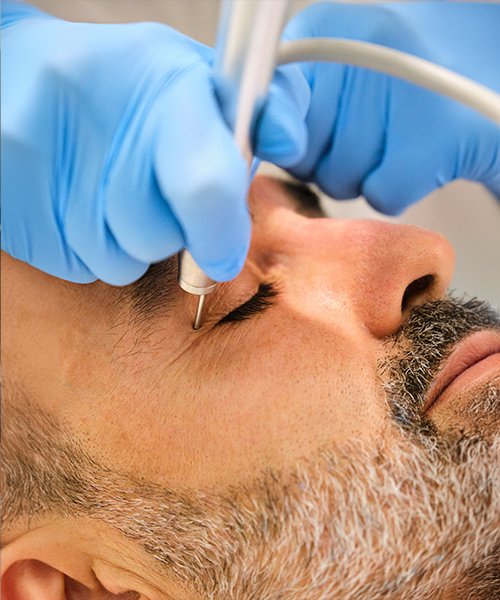
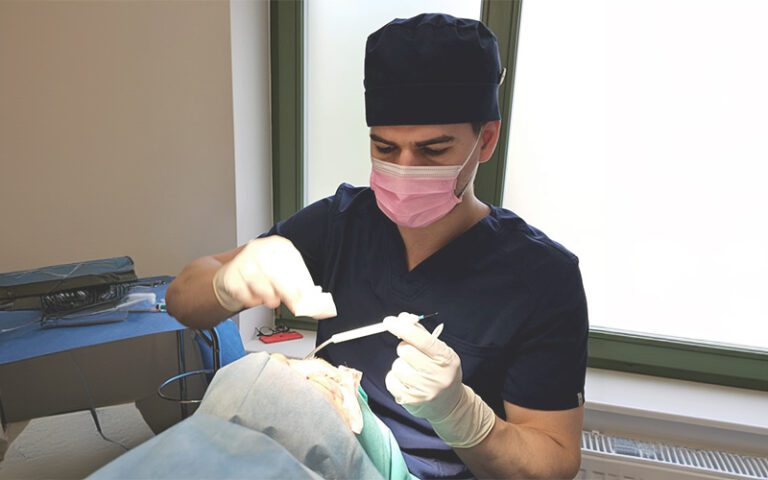
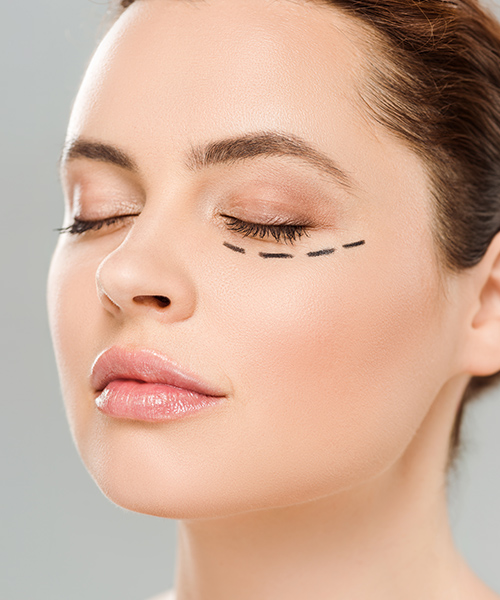
Blepharoplasty uses surgical instruments to manually cut and remove excess skin and tissue. During the procedure, the surgeon makes precise incisions in the natural folds of the eyelids or along the lashes to minimize the visibility of scars. Surgical procedures allow for more precise eyelid shaping, achieving better and more natural results.
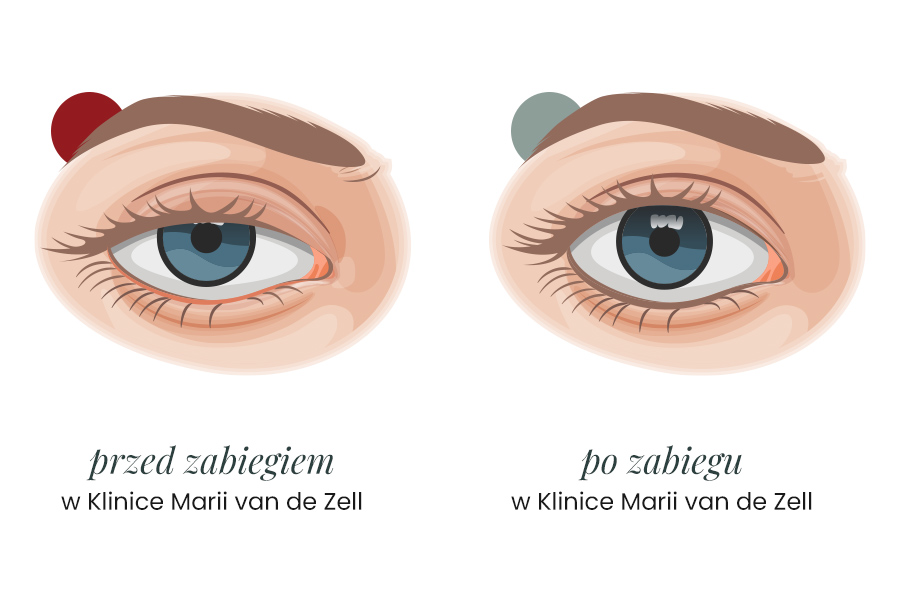
In more advanced cases, where ptosis is severe, surgical blepharoplasty may be the only effective option. These procedures are effective in less advanced cases and may not be sufficient in cases of severe ptosis.
Effects after blepharoplasty
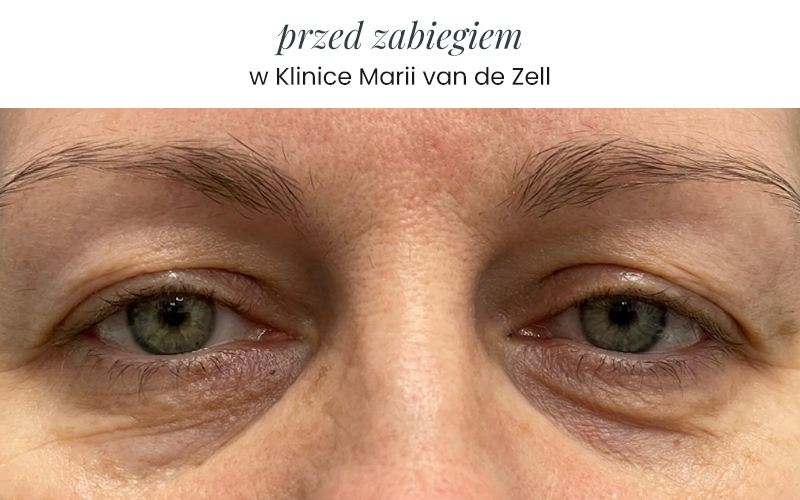
- Improved appearance: The treatment reduces wrinkles, bags under the eyes and drooping eyelids, which leads to rejuvenation and refreshing of the entire face.
- Improved well-being: Patients say that improving the appearance of the skin around their eyes can significantly impact their self-confidence and overall well-being.
- Improved field of vision: Removing excess skin and tissue around the eyes can improve field of vision and daily comfort, especially for people suffering from drooping eyelids.
- Long-lasting results: After treatment, the effects are usually permanent and can bring long-term satisfaction to the patient.
Indications for blepharoplasty:
- Drooping eyelids
- Excess skin on the eyelids
- Fat bags under the eyes
- Wrinkles around the eyes
- Visual field disturbances caused by ptosis
- Want to improve the aesthetic appearance of the eye area
- Eliminating signs of aging
Contraindications to blepharoplasty:
- Active eye infections
- Uncontrolled chronic diseases (e.g. diabetes, hypertension)
- Blood clotting problems
- Thyroid disorders (e.g. hyperthyroidism, Graves’ disease)
- Severe heart and circulatory system diseases
- Dry eye
- Insufficient eyelid closure
- Mental disorders (e.g. body dysmorphic disorder)
- Smoking (if the patient is unable to stop in time before and after surgery)
- Severe allergy to anesthesia or medications used during the procedure
Price-list
Blefaroplastyka - plastyka powiek
| Operacja ptozy powieki górnej (opadniętej powieki) | od 5 000 zł |
| Korekcja podwinięcia lub odwinięcia powieki | od 2 500 zł |
| Bezpośredni lifting brwi (Direct Brow Lift) | od 6 000 zł |
| Plastyka powiek dolnych metodą przezspojówkową | 8 000 zł |
| Plastyka powiek dolnych z repozycją przepuklin tłuszczowych | 9 000 zł |
| Plastyka powiek dolnych z redukcją przepuklin tłuszczowych | 7 000 zł |
| Plastyka powiek górnych z repozycją przepuklin tłuszczowych | 7 500 zł |
| Plastyka powiek górnych z redukcją przepuklin tłuszczowych | 5 500 zł |
| Zadatek – Blefaroplastyka | od 500 zł |
| Konsultacja okulistyczna – dotycząca blefaroplasty | 250 zł |
| Blefaroplastyka plastyka powiek górnych i dolnych | od 10 000 zł |
| Blefaroplastyka plastyka powiek górnych | od 4 500 zł |
| Blefaroplastyka plastyka powiek dolnych | od 6 000 zł |
Duration of the procedure
from 1h 30 min to 2h
How often to repeat the procedure
We perform the procedure once
Frequently asked questions about the correction of drooping eyelids
The procedure is performed by experienced specialists and certified aesthetic medicine physicians. Before each procedure, we conduct a consultation during which the doctor assesses the condition of the skin around the eyes, discusses expectations, and answers any questions.
The procedure begins with local or general anesthesia. The surgeon makes incisions in the natural creases of the eyelids, removes excess skin, fat, and sometimes muscle, and then closes the incisions with sutures. The entire procedure takes approximately two hours.
After the procedure is complete, a special dressing or cooling gel may be applied to the eye area to reduce any swelling and discomfort.
Recovery from blepharoplasty surgery typically takes one to two weeks. Most patients can return to normal activities after about 10 to 14 days, although it may take several weeks for swelling and bruising to fully subside.
The effects of blepharoplasty surgery are long-lasting, often lasting for many years. However, the skin aging process continues, which may lead to the need for additional procedures in the future.
However, it is worth remembering that each case is different, which is why at the Maria Van De Zell Clinic our doctors always consult, advise and select treatments according to the individual treatment regimen of each patient.
Other problems we can help you with
Want to know what's going on at Maria Van De Zell's clinic?
Check out our Instagram
Do you have questions? Want to make an appointment? Write to us!